
What Is Steel Fabrication and Why Is It Important in Construction?
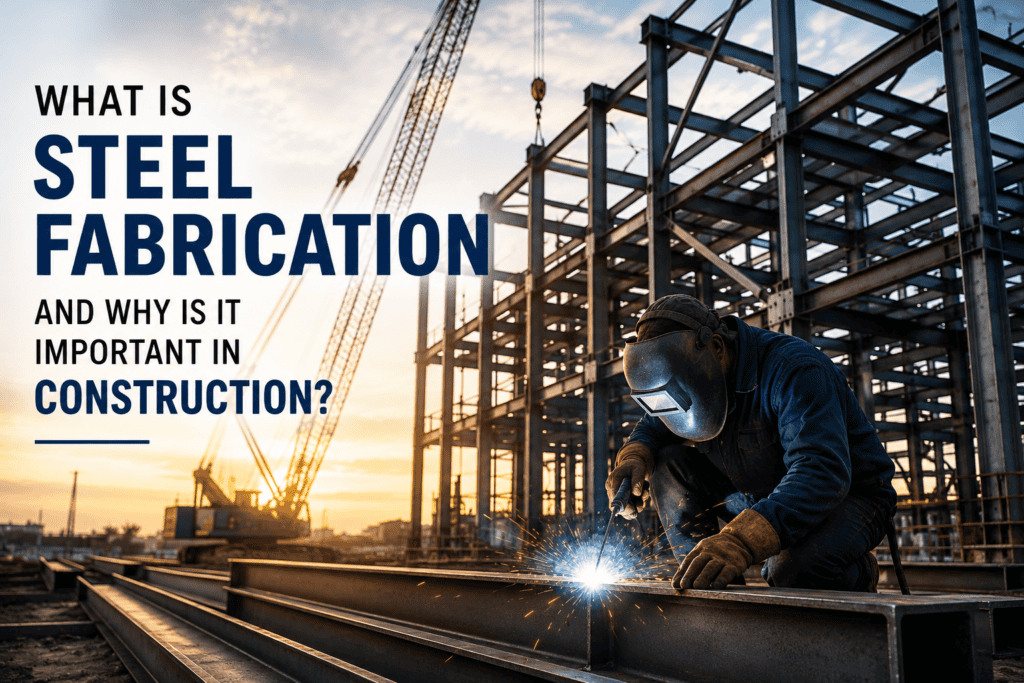
Steel is one of the most widely used materials in modern construction because of its strength, durability, flexibility, and ability to support demanding structural applications. However, steel does not simply arrive at a construction site ready to be installed. It must first be measured, cut, shaped, assembled, and prepared according to the requirements of a specific project. This complete process is known as steel fabrication.
From structural frames and industrial buildings to staircases, platforms, supports, gates, and custom steel structures, properly fabricated steel plays an important role in creating safe and durable construction projects.
For projects requiring dependable steel fabrication in Trivandrum & Kollam, choosing an experienced fabrication company can make a significant difference in the quality, accuracy, and efficiency of the final structure.
What Is Steel Fabrication?
Steel fabrication is the process of converting raw steel materials into customised components or structures according to engineering drawings, measurements, and project specifications.
The process can involve several stages, including:
- Measuring and marking steel materials
- Cutting steel sections to required dimensions
- Drilling and punching holes
- Bending and shaping
- Welding and assembling components
- Grinding and finishing
- Surface preparation and protective coating
- Quality inspection
- Transportation and installation
Depending on the project, fabricators may work with different steel sections, plates, beams, channels, angles, pipes, and other structural components.
The goal is to produce steel components that meet the required dimensions, strength, functionality, and finish before they are delivered for installation.
Why Is Steel Fabrication Important in Construction?
1. Provides Structural Strength
One of the main reasons steel is widely used in construction is its excellent strength-to-weight ratio. Properly fabricated steel components can support significant loads while maintaining structural stability.
Accurate fabrication ensures that beams, columns, frames, supports, and other components are produced according to the required specifications. This contributes to the strength and reliability of the completed structure.
2. Allows Customised Designs
Every construction project has different requirements. Standard steel components may not always fit a particular building design or industrial application.
Steel fabrication makes it possible to create components based on specific dimensions and design requirements. Fabricators can manufacture customised frames, staircases, platforms, supports, gates, railings, and other steel structures according to project needs.
This flexibility is particularly useful for commercial buildings, industrial facilities, warehouses, workshops, and specialised construction projects.
3. Improves Construction Accuracy
Precision is essential when steel components need to be assembled together at a construction site. Even small dimensional errors can create installation problems, delays, or additional modification work.
Professional fabrication involves careful measurement, cutting, drilling, welding, and inspection. Producing components accurately before they reach the site can make the installation process smoother and reduce unnecessary rework.
4. Saves Time During Installation
Much of the fabrication work can be completed before the steel reaches the construction site. Components can then be transported to the site and installed according to the project plan.
This can reduce the amount of cutting, drilling, and welding required at the construction location. As a result, construction teams can work more efficiently and maintain better control over project schedules.
5. Supports Long-Term Durability
The durability of a steel structure depends on several factors, including material quality, design, fabrication accuracy, welding quality, surface preparation, and maintenance.
Professional steel fabrication helps ensure that components are manufactured correctly and prepared for their intended environment. Appropriate finishing and protective treatments can also help minimise the effects of corrosion and environmental exposure.
6. Reduces Material Waste
Accurate planning and cutting can help make better use of steel materials. Fabricators can prepare cutting layouts and production plans based on project requirements, helping reduce unnecessary material wastage.
Efficient material utilisation can contribute to better project cost management while also supporting more sustainable construction practices.
Common Applications of Steel Fabrication
Steel fabrication is used across a wide range of construction and industrial applications. Some common examples include:
Structural Steel Frames
Steel frames are widely used in commercial buildings, industrial structures, warehouses, and other large-scale projects. Fabricated beams, columns, braces, and connections form the main structural framework.
Staircases and Railings
Fabricated steel is commonly used for indoor and outdoor staircases, handrails, balustrades, and safety railings. These can be manufactured according to specific architectural and functional requirements.
Industrial Structures
Factories, workshops, warehouses, and industrial facilities often require customised steel platforms, supports, frames, walkways, and other components.
Gates and Grills
Steel fabrication is also used to manufacture security gates, entrance gates, window grills, fencing, and other protective structures. Designs can be customised according to the requirements of a property.
Steel Platforms and Supports
Industrial and commercial projects may require elevated platforms, equipment supports, access structures, and maintenance walkways. Fabricated steel provides the strength and flexibility required for these applications.
Custom Steel Structures
When a project requires a unique structure that is not available as a standard product, custom fabrication provides a practical solution. Components can be manufactured according to project drawings, measurements, and specifications.
What Does the Steel Fabrication Process Involve?
A professional fabrication project generally follows a systematic process.
Design and Planning
The process begins with understanding the project requirements, dimensions, drawings, material specifications, and intended application.
Material Selection
The appropriate steel grade, thickness, section, and material type are selected based on structural and functional requirements.
Cutting and Shaping
Steel materials are cut and shaped according to the required dimensions. Depending on the project, fabrication may involve sawing, drilling, bending, or other specialised processes.
Assembly and Welding
Individual components are positioned and joined together. Welding must be carried out carefully to create strong and reliable connections.
Finishing
After fabrication, components may undergo grinding, cleaning, surface preparation, painting, galvanising, or other protective treatments depending on the application.
Quality Inspection
Measurements, welds, dimensions, alignment, and finishing are checked to ensure that the fabricated components meet the required specifications.
Delivery and Installation
Once fabrication and inspection are complete, the components can be transported to the construction site for installation.
How to Choose a Steel Fabrication Company
Selecting the right fabrication partner is important for the success of a construction project. Before choosing a fabricator, consider factors such as:
Experience: Look for a company with experience handling projects similar to yours.
Technical capability: Ensure the fabricator has the equipment, workforce, and technical knowledge required for your project.
Quality standards: Ask about material quality, welding practices, inspection procedures, and finishing methods.
Customisation: A capable fabricator should be able to manufacture components according to specific project requirements rather than relying only on standard designs.
Project management: Good coordination between design, fabrication, delivery, and installation can help prevent unnecessary delays.
Local expertise: For projects in Kerala, working with a fabrication company familiar with local construction requirements and site conditions can be beneficial.
Why Choose Professional Steel Fabrication in Trivandrum & Kollam?
Trivandrum and Kollam have a growing demand for residential, commercial, industrial, and infrastructure-related construction. These projects often require steel components that combine structural strength with accurate fabrication and quality finishing.
Choosing professional steel fabrication in Trivandrum & Kollam can provide access to customised fabrication solutions while making it easier to coordinate measurements, fabrication, transportation, and installation.
A local fabrication partner can also provide better project communication and support, particularly when modifications or site-specific requirements arise during construction.
Final Thoughts
Steel fabrication is an essential part of modern construction. It transforms raw steel into precise, customised components that can be used for structural frames, industrial structures, staircases, platforms, supports, gates, railings, and many other applications.
The quality of fabrication can directly influence installation efficiency, structural performance, durability, and overall project outcomes. For this reason, choosing an experienced and reliable fabrication partner is an important decision for any construction project.
If you are planning a residential, commercial, industrial, or custom steel project, professional steel fabrication in Trivandrum & Kollam can help you achieve accurate, durable, and project-specific steel solutions.
Salve Fab can be considered for steel fabrication requirements where quality workmanship, customised solutions, and dependable fabrication support are important.