
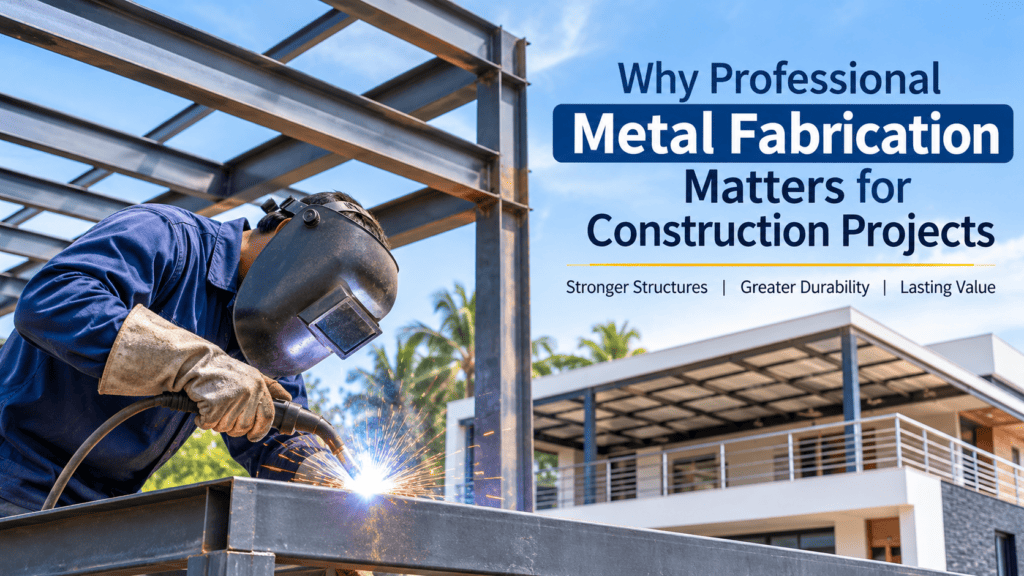
Why Professional Metal Fabrication Matters for Construction Projects
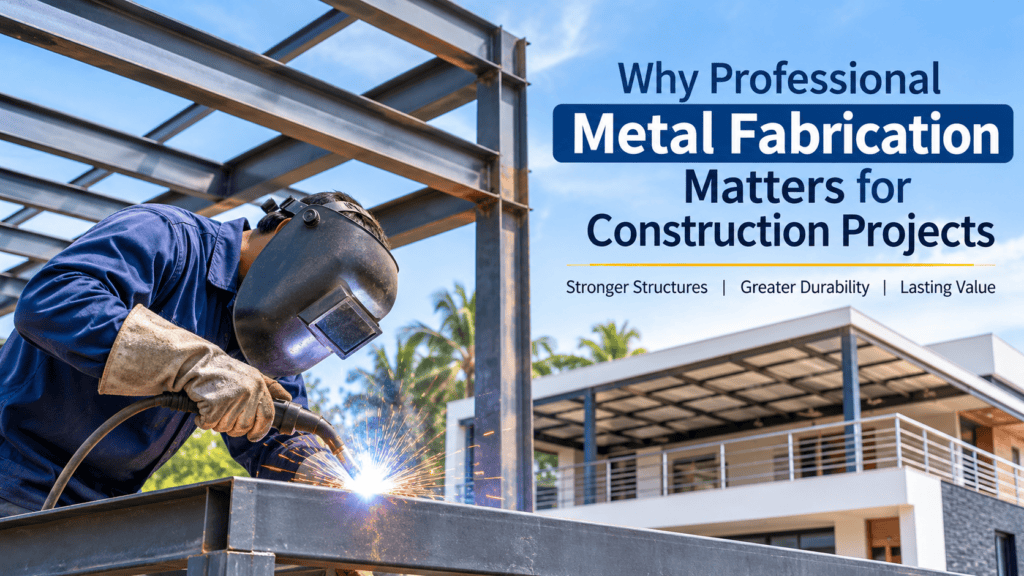
Construction projects require materials and components that can withstand daily use, environmental conditions and structural demands. From roofing frameworks to building supports, metal components play an important role in creating strong and long-lasting structures. However, the quality of these components depends not only on the materials used but also on the fabrication process.
Professional metal fabrication helps ensure that metal components are accurately measured, properly cut, shaped and assembled to meet project requirements. Whether it is a residential building, commercial property or industrial facility, choosing the right fabrication service can make a significant difference in the overall quality of construction.
What Is Metal Fabrication in Construction?
Metal fabrication is the process of transforming raw metal materials into finished components used in different construction applications. It involves several techniques, including cutting, bending, welding, shaping and assembling metal parts.
Depending on the project, fabrication may involve materials such as steel, aluminium and other suitable metals. These materials are processed into components that meet specific measurements, designs and functional requirements.
In construction, fabricated metal components are commonly used for structural frameworks, roofing supports, building fittings and other applications where strength, stability and accurate dimensions are important.
1. Improves Structural Strength and Durability
Strength is one of the most important considerations in any construction project. Metal components must be capable of handling the loads and stresses expected during their intended use.
Professional fabrication helps ensure that metal parts are prepared and assembled according to the required specifications. Proper cutting, welding and joining techniques contribute to the overall strength and reliability of fabricated components.
Using appropriate materials and fabrication methods can also help structures withstand regular use and environmental exposure. This is particularly important for construction projects in Kerala, where humidity and seasonal rainfall can affect exposed metal surfaces.
2. Provides Customised Solutions for Different Projects
Every construction project has different requirements. Standard metal components may not always match the exact dimensions, designs or functional needs of a particular building.
Custom metal fabrication allows components to be manufactured according to specific project measurements and design requirements.
This flexibility is useful for:
- Residential and commercial construction projects
- Metal roofing frameworks and supports
- Custom structural metal components
- Industrial building applications
- Specialised metal fittings and installations
With customised fabrication, construction professionals can select components that are better suited to their project rather than relying entirely on standard sizes.
3. Ensures Accurate Measurements and Proper Installation
Accuracy is essential when working with metal components. Incorrect measurements or poorly finished edges can create difficulties during installation and affect how different components fit together.
Professional metal fabrication involves careful measurement, material preparation and quality checks throughout the process.
Accurate fabrication helps:
- Achieve better fitting between metal components
- Reduce unnecessary material wastage
- Minimise installation difficulties
- Maintain consistency across fabricated parts
- Support the intended design and dimensions
Proper preparation before installation can also help reduce avoidable delays during construction.
4. Supports Different Roofing and Building Applications
Metal fabrication has an important role in roofing and building projects. Metal materials are used in different applications depending on the building design, structural requirements and environmental conditions.
Fabricated metal components can support roofing frameworks, sheet installations and other building elements.
The choice of material also matters. GI sheets, colour-coated sheets, aluminium sheets and polycarbonate sheets each have different characteristics and applications. Selecting the right option depends on factors such as durability, weather exposure, appearance and project requirements.
For property owners planning roofing improvements, exploring suitable glass roofing solutions and shingle roofing services can help identify options that complement the building’s design and functional needs.
5. Helps Reduce Material Wastage and Project Delays
Poorly planned fabrication can result in incorrect cuts, unsuitable dimensions and unnecessary material wastage. These problems may increase project costs and affect construction schedules.
Professional fabrication focuses on proper planning and accurate material handling. Components are prepared according to the required measurements, helping reduce avoidable errors during production and installation.
Although the overall cost depends on the material, design and project complexity, accurate fabrication can contribute to more efficient use of resources.
6. Improves the Finish and Appearance of Structures
Metal components are not always hidden within a building’s structure. In many projects, they are visible parts of the overall architectural design.
The quality of fabrication can influence the appearance of finished metalwork. Clean cuts, consistent dimensions, properly finished joints and suitable surface treatments contribute to a neat and professional result.
For residential and commercial properties, well-finished metal components can complement the building’s appearance while serving their intended purpose.
7. Supports Long-Term Maintenance and Reliability
Metal structures and components are exposed to different environmental conditions throughout their service life. Moisture, heat, pollution and regular usage can affect their condition over time.
Choosing suitable materials and applying appropriate protective finishes can help reduce the risk of corrosion and surface deterioration.
Professional fabrication also helps ensure that components are prepared with their intended application in mind. Regular inspection and maintenance are still necessary to keep metal structures in good condition.
How to Choose the Right Metal Fabrication Service
Selecting a suitable fabrication provider is an important step in achieving the expected results. Before starting a project, consider the following factors:
Material Knowledge: Check whether the provider understands the properties and applications of different metal materials.
Fabrication Quality: Proper cutting, bending, welding and finishing are important for producing reliable components.
Customisation: Choose a service that can work according to your project’s measurements and design requirements.
Project Requirements: Make sure the fabrication approach is suitable for the intended application, whether residential, commercial or industrial.
Installation Support: Where installation is required, clarify whether the service provider can manage the work as part of the project.
Discussing these details before beginning the work can help avoid misunderstandings and ensure that the finished components meet your expectations.
Choosing Metal Fabrication Services in Trivandrum & Kollam
Finding a suitable fabrication provider is important for construction projects that require accurate measurements, appropriate materials and dependable workmanship. Property owners, builders and contractors looking for metal fabrication services in Trivandrum & Kollam should consider the type of metalwork required, the materials involved and the quality of fabrication offered.
Salve Fab provides roofing and metal-related solutions for residential and commercial requirements in Trivandrum and Kollam. From roofing applications to customised project requirements, choosing suitable materials and proper installation methods is essential for achieving a reliable result.
Whether you are planning a new construction project or upgrading an existing property, understanding your requirements before selecting a fabrication solution can help you make a better decision.
Conclusion
Metal fabrication is an important part of modern construction, supporting structural applications, roofing work and customised building requirements. Professional fabrication helps improve accuracy, material utilisation, appearance and the overall reliability of finished components.
Choosing the right materials and fabrication approach can make a meaningful difference to the quality and longevity of a construction project.
If you are planning a roofing or metalwork project, explore the solutions available from Salve Fab and discuss your requirements to identify a suitable approach for your property.